Mapping Payer Underpayment Fingerprints Across Infusion Claim Cohorts
Grouping infusion claims by payer reveals hidden payment shortfalls in drug cost and administration.
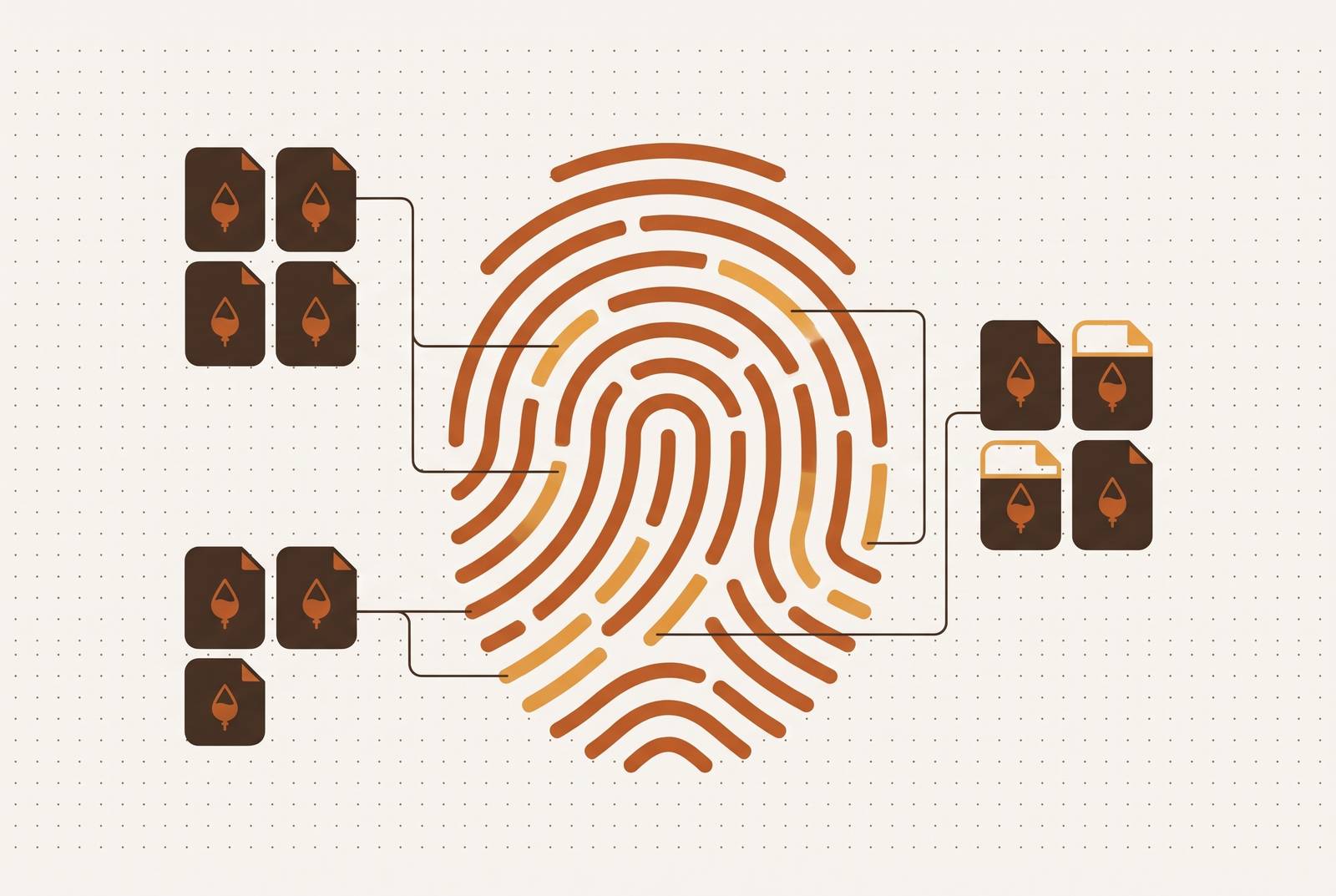
Infusion denial management and underpayment recovery work best when claims are grouped by payer and root cause. Mapping payer underpayment fingerprints across infusion claim cohorts exposes repeated shortfalls in drug cost, administration time, and wastage. That keeps claims marked paid in follow-up by showing where money was lost and can be recovered.
Why infusion underpayments hide inside paid claims
A claim can post as paid while a drug line is repriced, an administration unit disappears, or a wastage line pays nothing. There may be no denial code or appeal trigger. The remit records a payment without flagging the gap between that payment and what the contract required.
Teams working denial queues and prior-authorization problems have little reason to revisit an encounter already marked paid. Yet an infusion practice has already bought the drug, staffed the treatment, and paid for refrigeration and monitoring. If teams do not routinely compare what was paid with what was expected at the line level, a shortfall can become a permanent write-off before anyone starts work on it.
Why the dollar scale of infusion makes silent shortfalls a cash-flow emergency
Infusion puts cash at risk before reimbursement arrives. Under the buy-and-bill model, the practice acquires the drug, administers it, and then bills the payer. Infliximab alone runs approximately $5,200 per infusion in drug acquisition cost. A short payment on that drug line therefore cuts into money already spent as well as the return expected for clinical work. Even a small percentage gap can leave a large hole.
The exposure grows across drugs and patients. A single denied or underpaid high-cost biologic can tie up tens of thousands of dollars in drug cost. Repeated shortfalls across hundreds of encounters turn that exposure into a structural revenue leak, especially when drug, administration, and wastage lines lose money on the same encounter. Because these claims have settled as paid, the missing dollars do not appear in ordinary aging reports or denial dashboards. The practice can be collecting payments while losing the cash needed to support treatment.
The five mechanisms through which payers take money silently
NDC-to-J-code crosswalk shortfalls occur when the payer converts the reported NDC into J-code units incorrectly. Outdated tables, wrong conversion factors, or substitution of a cheaper equivalent NDC can reduce reimbursement for the drug administered. The claim can still look complete at first glance. The error slips through when the biller accepts the posted payment without comparing the reimbursed units and price against the billed drug.
Time-based unit truncation removes payment for part of the administration service. Infusion administration bills the initial hour separately from additional-hour units, which require a record of the exact start and stop times. A note saying “infused over two hours” may lead a payer to pay only the initial hour. Without a line-level comparison, the missing administration payment attracts less attention than an outright denial.
For single-dose vials, the discarded remainder is billed on a separate JW modifier line, but a payer may pay the primary drug line and zero the JW line for missing documentation even when waste is charted. The payment for the main drug line can hide the missing wastage payment. JZ introduces a related coding requirement because some payers require it when no drug is discarded from a single-use vial.
Infusion hierarchy misapplication affects sequential and concurrent services. Those terms have exact meanings, and concurrent billing needs timestamped documentation that shows the services did overlap. When the record does not establish that overlap, a payer can collapse the billable units while still paying the claim. The paid units fall short of the service structure billed, hiding the loss.
Supply and incidental service bundling can shrink payment further. Payer rules sometimes make the cheaper hydration code primary while bundling or downcoding the therapeutic infusion. Supply-line losses may be small on each encounter, so a reviewer focused on the high-cost drug can overlook them. High volume changes the financial consequence of that oversight. Repeated small reductions become a substantial loss without producing a conspicuous unpaid claim.
Why individual remit review cannot surface these patterns
One remit can show a discrepancy, but not its recurrence. A truncated additional-hour line might reflect missing documentation or a payer edit. A JW line may be zeroed because of a coding oversight or a drug-specific exclusion. One claim cannot show how that payer handles similar claims or whether another payer pays differently for the same service.
That is a limit of the review method. When teams work claim by claim, they treat each shortfall as a separate case, so the same behavior can look like paperwork problems that have nothing to do with each other. Denial overturn rates and clean claim percentages do not resolve the blind spot because neither captures silent losses on claims posted as paid. A team can perform well against those measures while missing a repeatable payment discrepancy. Working each account harder does not supply the comparison needed to distinguish the causes.
How grouping claims into payer-specific cohorts turns patterns into diagnostic signal
A cohort brings similar claims together so teams can see when the same payment behavior repeats. For infusion, the useful grouping starts with payer and drug, then examines administration and wastage lines. The comparison changes what the evidence can establish. With consistent documentation, repeated additional-hour truncation on longer infusions points to a payer rule.
The same method separates other causes that look alike on one remit. A payer that zeros JW lines for one J-code but pays them for others shows a drug-specific pattern. A payer that repeatedly maps a brand biologic to a biosimilar equivalent shows systematic repricing. Those differences would be lost if the claims were all put in a broad category such as drug underpayment. Grouping by payer and root cause preserves the information needed to select the recovery action.
That recurring behavior is the payer’s underpayment fingerprint. It represents policy revealed through adjudication, which may differ from what a practice understands from the contract or published coverage rules. Once the pattern is mapped, the practice can quantify the affected claim class and challenge the discrepancy at the contract or policy level. Recovery starts with an identified behavior and the claims that behavior affected.
What payer fingerprints look like in practice across drug cost, administration, and wastage lines
For drug cost, the payer may use an outdated crosswalk or remap a brand biologic NDC to a biosimilar J-code. The cohort reveals a consistent per-unit shortfall for the same drug across dates of service, or a difference between the product administered and the price basis used for payment. The recovery target is the conversion or pricing discrepancy. Supporting evidence connects the reported NDC, J-code, units, and expected reimbursement to the amounts actually paid, so the dispute addresses the recurring rule.
For administration, the payer may use an internal edit that caps additional-hour units below what CPT rules allow. The cohort shows the same cap on longer infusions even when the treatment time is documented. That points toward an edit-level challenge supported by timestamps and the applicable administration rules. A different pattern requires a different response. If additional-hour payments disappear only where exact start and stop times are absent, the practice has a documentation problem to correct rather than evidence that every reduction is improper.
For wastage, the payer may zero JW lines for a particular biologic regardless of documentation quality. The cohort shows a drug-specific exclusion, so recovery depends on whether that exclusion fits the contract or published policy that applies. When JW payments differ on claims that are otherwise alike, they suggest a different problem. Paid and unpaid examples can support a challenge to inconsistent adjudication. Both paths require the discarded amount and modifier use to be supported, because a repeated loss alone does not prove the payer owes more.
How AR structure and reporting must change to make fingerprints visible at scale
To make these comparisons routine, practices should separate accounts receivable by drug classification rather than treating all infusion claims as one population. High-dollar biologics need distinct aging from routine infusions so their exposure is not averaged away by lower-cost volume. Teams should track the drug category along with the payer. A drug-specific shortfall limited to one payer points toward payer behavior, while the same shortfall across payers points toward documentation or coding inputs that need review.
Line-level tracking should connect the drug classification, payer, NDC, J-code, date of service, billed units, paid units, modifiers, and expected payment. To review administration, teams also need the treatment times in the record. Teams also need to compare authorization with what was billed because a payer may pay for the authorized codes and units instead. The record should therefore show authorized CPT/HCPCS codes and units against the claim. Otherwise, an authorization mismatch can be mistaken for unexplained repricing.
The report must expose combinations. An aggregate underpayment figure cannot tell a team whether the loss comes from one payer, one drug, one modifier, or their intersection. Reporting those dimensions together makes the fingerprint visible and supports follow-up by cause. Aging by therapeutic drug type also helps prioritize claims with the greatest dollar exposure as time passes. Paid-claim reconciliation must stay in that view because ordinary open-AR reporting leaves out the silent shortfalls.
Why operational consistency upstream determines whether fingerprints can be acted on
Cohort analysis depends on comparable inputs. If one provider records exact start and stop times while another uses free text, what looks like a difference between payers may come from differences in the clinical records. Variable JW use creates the same ambiguity. A practice cannot confidently attribute a payment pattern to the payer until its own documentation and coding are consistent enough to rule out those differences.
The practical response begins before claim submission. New payer requirements need to reach scheduling, intake, benefit verification, authorization, clinical documentation, billing, and follow-up. Otherwise, one coordinator may follow the old process while another interprets the new requirement differently. By billing time, the service times, wastage note, and clinical support for medical necessity have already been recorded. Reporting can expose those gaps, but it cannot substitute for consistent inputs at the encounter.
The CPT/HCPCS codes, units billed, and date of service on the claim must match what was authorized, and a treatment change must trigger a new authorization before the next infusion date. Consistent coding also helps distinguish payer behavior from administrative lag, such as use of discontinued HCPCS codes. These controls reduce avoidable denials while making underpayment evidence more credible. Once the inputs are dependable, a mapped fingerprint can support a focused recovery case.
What fingerprint-informed recovery looks like versus standard denial management
Standard denial management generally works through one claim, one appeal letter, one explanation of benefits, and one outcome. Fingerprint-informed recovery changes the unit of action to a claim class showing the same discrepancy for the same payer, drug, and modifier combination. The evidence is assembled around the root cause. Instead of asking why one claim paid less, the practice presents a recurring adjudication problem, its contract or policy basis, and the aggregate shortfall.
To support that approach, centralized appeals should use templates organized by payer and underpayment mechanism. A crosswalk dispute needs different evidence from an administration-time dispute or a zeroed wastage line. A single tracking system should record appeal deadlines and outcomes by payer and underpayment type, so the team can tell whether the behavior stops or persists after an appeal. That structure reduces repeated assembly work.
Revenue cycle teams that specialize in infusion use line-level remit reconciliation and study payer behavior to find these claim classes before time runs out to recover the money. The remit audit must run on a cadence shorter than most standard billing cycles because paid claims do not enter the usual denial queue. Recovery is not automatic, and the evidence still has to establish what is owed. But the loss becomes actionable once the practice identifies it, quantifies it, and ties it to a specific cause.